A Rec-Utility ATV Is The Practical Middle Ground
A rec-utility ATV blends recreational trail comfort with utility features such as racks, automatic transmission, 4WD, storage, and accessory support. It is not as sharp as a sport quad and not always as heavy-duty as a dedicated work ATV, but that balance is exactly why the category is useful. For riders who trail ride, hunt, camp, handle light chores, and explore mixed terrain, a rec-utility ATV can be the best fit.
A: Follow the manual and inspect sooner after harsh riding.
A: A new feel, sound, smell, leak, heat issue, or warning light.
A: Yes. Mud adds grit, moisture, heat, and hidden wear.
A: No. Restore the baseline first, then decide if upgrades are useful.
A: Yes, especially after water, rocks, towing, heat, or heavy loads.
A: Dates, hours, parts, fluids, settings, and symptoms are all useful.
A: Use caution on safety, sealing, steering, suspension, brake, and drivetrain parts.
A: Working does not mean healthy; inspect when symptoms change.
A: Get help for uncertain brakes, steering, wiring, fuel leaks, or structural issues.
A: Inspect early, fix small problems, and test before riding remote terrain.
What Rec-Utility Means
Rec-utility is short for recreational utility. It describes ATVs that are comfortable and enjoyable on trails while still useful for light work. These machines usually have automatic transmissions, 4WD options, racks, storage, and a riding position that favors comfort over racing posture.
The category exists because many riders need one machine for several jobs. They may ride trails on Saturday, check a hunting camera on Sunday, haul tools around a property, and carry gear at camp. A rec-utility ATV is designed for that mixed life.
How It Compares With A Sport ATV
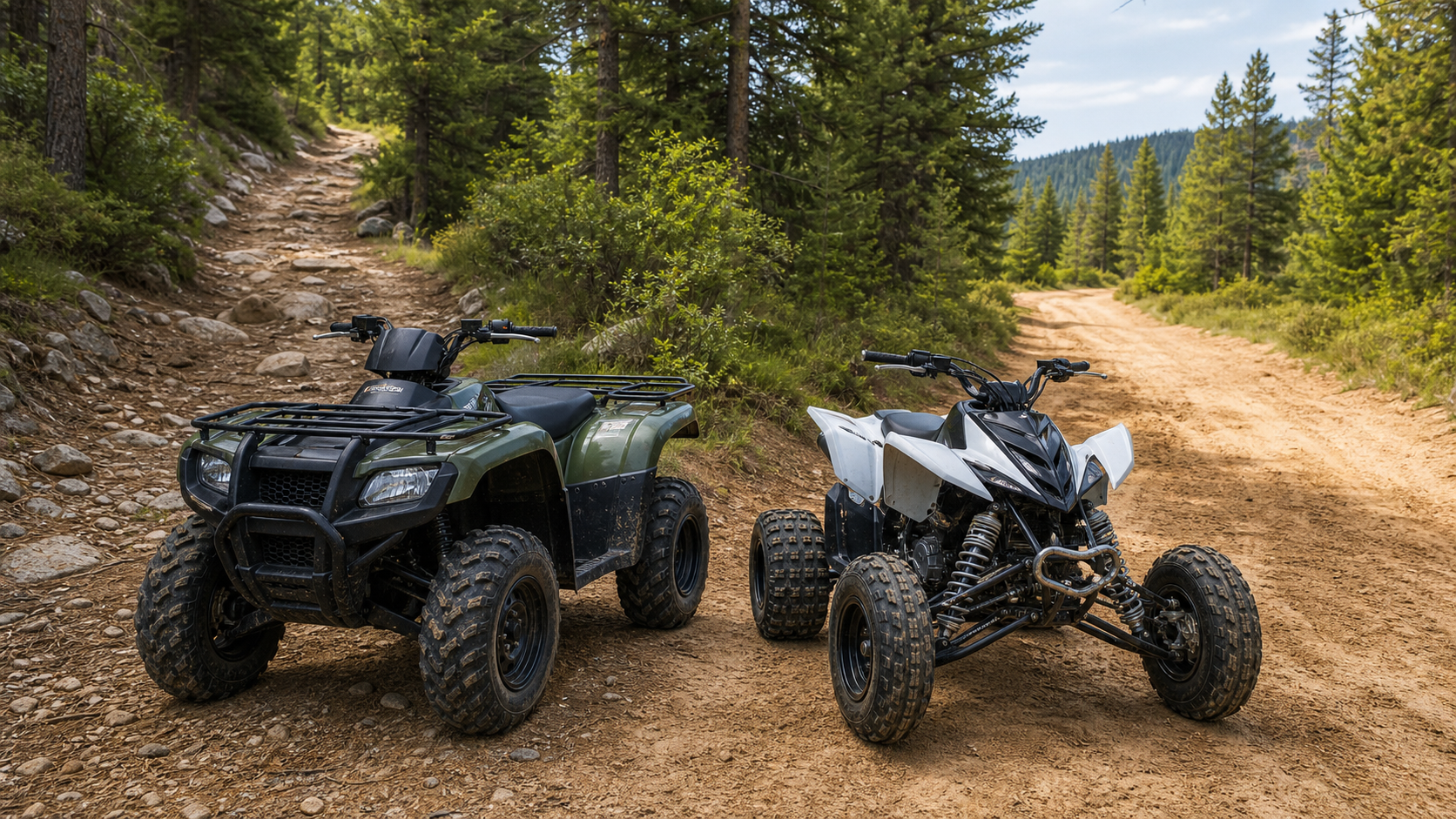
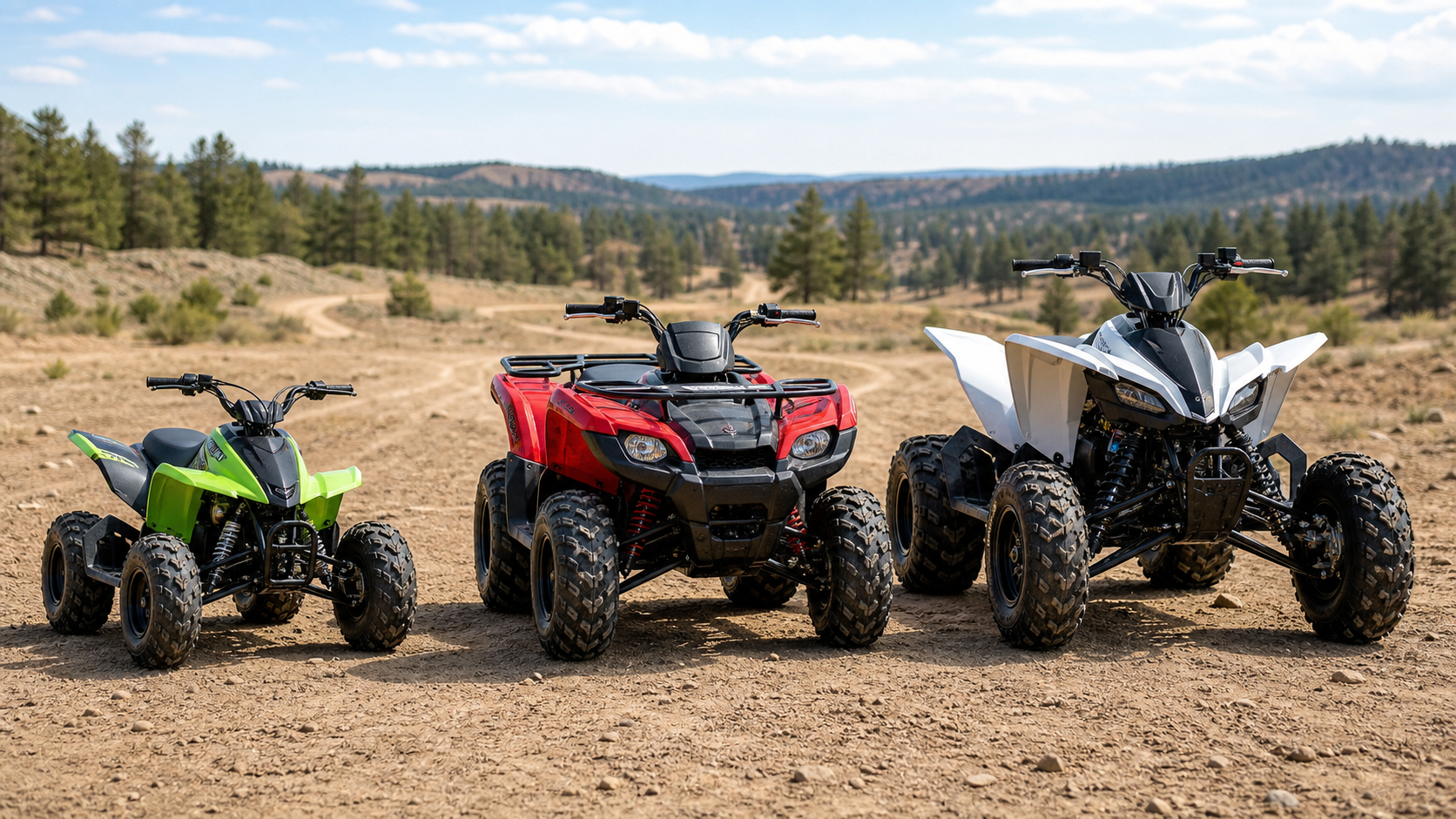
A sport ATV is lighter, quicker, and more athletic. It is usually better for dunes, tracks, aggressive trails, and riders who want manual control. A rec-utility ATV gives up some of that sharpness for comfort, traction, storage, and easier operation.
That makes rec-utility machines more forgiving for many owners. They are not dull; they are simply aimed at real trail days rather than race pace. For most casual riders, that is a good trade.
How It Compares With A Utility ATV
A full utility ATV is built around work. It may tow more, carry more, plow better, and accept heavier accessories. A rec-utility ATV may do light chores, but it is usually chosen because it also feels pleasant on recreational rides.
The difference is emphasis. Utility leans toward work. Rec-utility leans toward balance. Buyers should compare actual ratings, weight, suspension, tires, and drivetrain instead of assuming every rack-equipped ATV has the same capacity.
Trail Comfort And Control
Comfort is a major reason to choose this category. A good rec-utility ATV has smooth throttle response, predictable brakes, stable steering, and suspension that does not punish the rider on a long route. Power steering can be especially useful in rocks, ruts, and 4WD situations.
Selectable 4WD adds confidence when a dry trail becomes muddy or snowy. The rider can use 2WD for easy sections and engage 4WD when traction disappears. This flexibility is one of the category’s biggest advantages.
Accessories And Weight
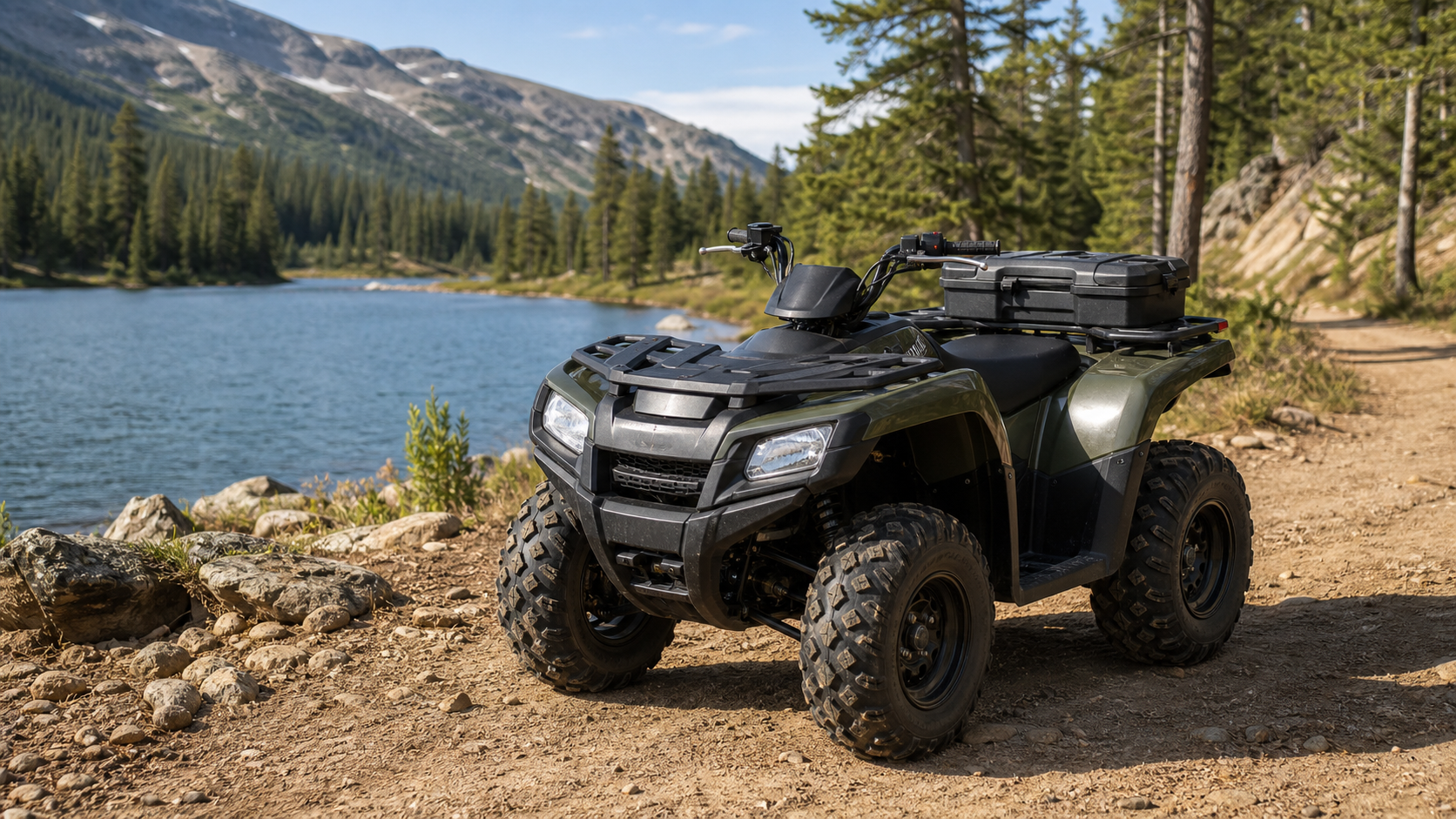
Rec-utility ATVs accept useful accessories: storage boxes, handguards, skid plates, lights, winches, small plows, and tool mounts. The key is restraint. Too much accessory weight can hurt handling, braking, suspension, and reliability.
Choose accessories based on repeated use. A tire repair kit, compact compressor, winch, and storage box may make sense for remote trail riding. A huge lift and extreme mud tires may make the machine worse if the owner mostly rides wooded trails.
Who Should Buy One?
A rec-utility ATV is a strong choice for riders who want one machine for trails, hunting access, camp use, light chores, and mixed terrain. It is also a good fit for many adult beginners because the controls are often approachable and the machine is practical without being extreme.
It is not the best choice for serious racing or heavy daily farm work. Those jobs deserve more specialized machines. But for the middle of the ATV world, rec-utility is often the most honest answer.
Why Rec-Utility ATVs Work For So Many Owners
Rec-utility ATVs work because they fit ordinary riding patterns. Many owners want to ride wooded trails, visit a hunting spot, carry a small load, help around a property, and explore camp roads with the same machine. They do not need a race quad or a full workhorse every weekend. They need a machine that is comfortable, steady, and useful.
This balance can make ownership easier. Automatic transmission reduces workload. 4WD adds margin when the trail gets wet. Racks and storage carry tools or layers. Moderate power keeps the ATV approachable. None of those features sounds extreme, but together they create a machine that gets used often.
How To Avoid Overbuilding One
The easiest way to ruin a rec-utility ATV is to turn it into something it was not meant to be. Huge mud tires, tall lifts, loud exhaust, heavy boxes, and unnecessary accessories can make a balanced trail machine feel heavy and awkward. They may also increase wear on belts, axles, bearings, brakes, and suspension.
Good upgrades solve repeated problems. If rocks are common, skid plates help. If trails are remote, a winch, plug kit, and compact compressor make sense. If cold rides are normal, handguards and heated grips may be worthwhile. If the upgrade only looks impressive in photos, think twice.
What To Check Before Buying
A rec-utility ATV should be inspected like both a trail machine and a work machine. Look at brakes, tires, steering, suspension bushings, wheel bearings, CV boots, fluids, racks, hitch points, frame, plastics, and belt engagement. A machine used gently on trails will tell a different story than one used in mud, towing, or snow plowing.
Also check whether the ATV fits the rider. Comfort and control are part of why this category exists. The rider should be able to stand, turn fully, reach all controls, and shift weight without feeling cramped or stretched.
Rec-Utility Versus Full Utility In Daily Use
The line between rec-utility and full utility can be blurry, but daily use makes the difference clearer. A full utility ATV is the better choice when the machine is expected to tow, plow, haul, and work hard on a regular schedule. It may be heavier and less playful, but the strength is useful when work repeats.
A rec-utility ATV is better when the work is occasional and the riding experience still matters. It can carry a box, pull a light trailer within rating, and handle hunting access, but it should still feel comfortable on a long trail ride. That mix is the point of the category.
What A Good Rec-Utility Setup Looks Like
A strong rec-utility setup starts with moderate all-terrain tires, correct tire pressure, fresh fluids, good brakes, and a clean air filter. Those basics matter more than flashy modifications. After that, a winch, skid plates, handguards, storage, and lighting can make sense if the terrain calls for them.
Suspension should be checked for the rider and load. If the ATV squats badly with normal gear, preload or service may be needed. If it feels harsh and skittish, tire pressure or suspension setup may be wrong. Comfort and control are not separate from usefulness.
Long-Term Ownership Questions
Before buying, think about storage, transport, service access, dealer support, tire cost, parts availability, and who will ride the machine. A rec-utility ATV often becomes the shared machine because it is approachable and useful. That makes predictable controls and clear maintenance even more important.
Also consider whether needs will grow. If the owner expects to add passengers, larger cargo, a cab, or heavy work tools, a side-by-side may become a better long-term answer. If the owner wants faster sport riding, a dedicated sport ATV may be more satisfying. Rec-utility works best when the middle ground is truly the destination.
Examples Of Good Rec-Utility Matches
A rider who spends weekends on forest trails and occasionally hauls tools around a property is a strong rec-utility match. They need comfort, storage, and traction, but not necessarily the largest engine or strongest towing package. A hunter who rides moderate trails and carries gear can also fit the category well.
A camp owner may use a rec-utility ATV to check roads, carry supplies, ride with friends on legal trails, and handle small cleanup jobs. In that case, predictable steering, good brakes, moderate tires, and easy maintenance matter more than aggressive modifications.
Where Rec-Utility Owners Should Spend Money
The best spending usually goes toward reliability and control. Fresh tires suited to local terrain, brake service, fluids, battery health, skid protection, storage, and recovery gear make a real difference. A comfortable helmet and proper riding gear are part of the ownership budget too.
Owners should be cautious with upgrades that add weight or noise without solving a problem. A rec-utility ATV is valuable because it remains easy to use. When modifications make it harder to steer, stop, transport, or maintain, the owner is moving away from the reason the category works.
Final Buying Filter
Before buying a rec-utility ATV, write down the three rides or jobs it will do most often. If those uses include trails, hunting access, camp work, and light hauling, the category fits well. If the list is mostly racing, jumping, plowing, towing, or carrying passengers, another machine may be the more honest answer.
The best rec-utility ATV should make ordinary ownership easy. It should be comfortable enough for a long ride, capable enough for changing terrain, useful enough for gear, and simple enough to maintain. That combination is why the category exists.
FAQ
Is a rec-utility ATV good for trail riding?
Yes. That is one of its main strengths, especially when comfort, storage, and 4WD matter.
Can a rec-utility ATV do farm work?
It can handle light chores within its ratings, but heavy repeated work may call for a dedicated utility ATV or side-by-side.
Is rec-utility the same as sport-utility?
The terms overlap. Both usually describe ATVs that blend recreational riding with useful utility features.