Smarter Trail Riding Starts With Control, Planning, And Respect For Terrain
Trail riding systems are the habits and equipment that help an ATV rider stay in control. They include route planning, pre-ride inspection, tire choice, body position, speed control, braking, group communication, recovery gear, weather awareness, and post-ride maintenance. A rider does not become safer by adding accessories alone. The useful system is a repeatable routine that keeps the machine ready and the rider thinking ahead.
A: Follow the manual and inspect sooner after harsh riding.
A: A new feel, sound, smell, leak, heat issue, or warning light.
A: Yes. Mud adds grit, moisture, heat, and hidden wear.
A: No. Restore the baseline first, then decide if upgrades are useful.
A: Yes, especially after water, rocks, towing, heat, or heavy loads.
A: Dates, hours, parts, fluids, settings, and symptoms are all useful.
A: Use caution on safety, sealing, steering, suspension, brake, and drivetrain parts.
A: Working does not mean healthy; inspect when symptoms change.
A: Get help for uncertain brakes, steering, wiring, fuel leaks, or structural issues.
A: Inspect early, fix small problems, and test before riding remote terrain.
What A Trail Riding System Means
A trail riding system is a repeatable way to prepare, ride, communicate, recover, and inspect afterward. It is not a single accessory or trick. It is the set of habits that keeps the rider from improvising under stress. Good systems make smart choices easier.
For ATV riders, the system begins before leaving home. Machine condition, route plan, weather, fuel, gear, communication, and rider readiness all matter. A trail problem often starts with something skipped earlier.
Pre-Ride Inspection
Check tire pressure, brake feel, throttle return, steering movement, fuel or charge level, lights, fluids, visible leaks, and loose parts. Confirm that cargo is secured and racks are not overloaded. Make sure tools, water, first aid, and communication gear are packed.
This inspection should be short enough to repeat every time. Riders who know their machine notice changes sooner. A new sound, low tire, soft brake lever, or loose rack is easier to handle before the ride.
Route Planning
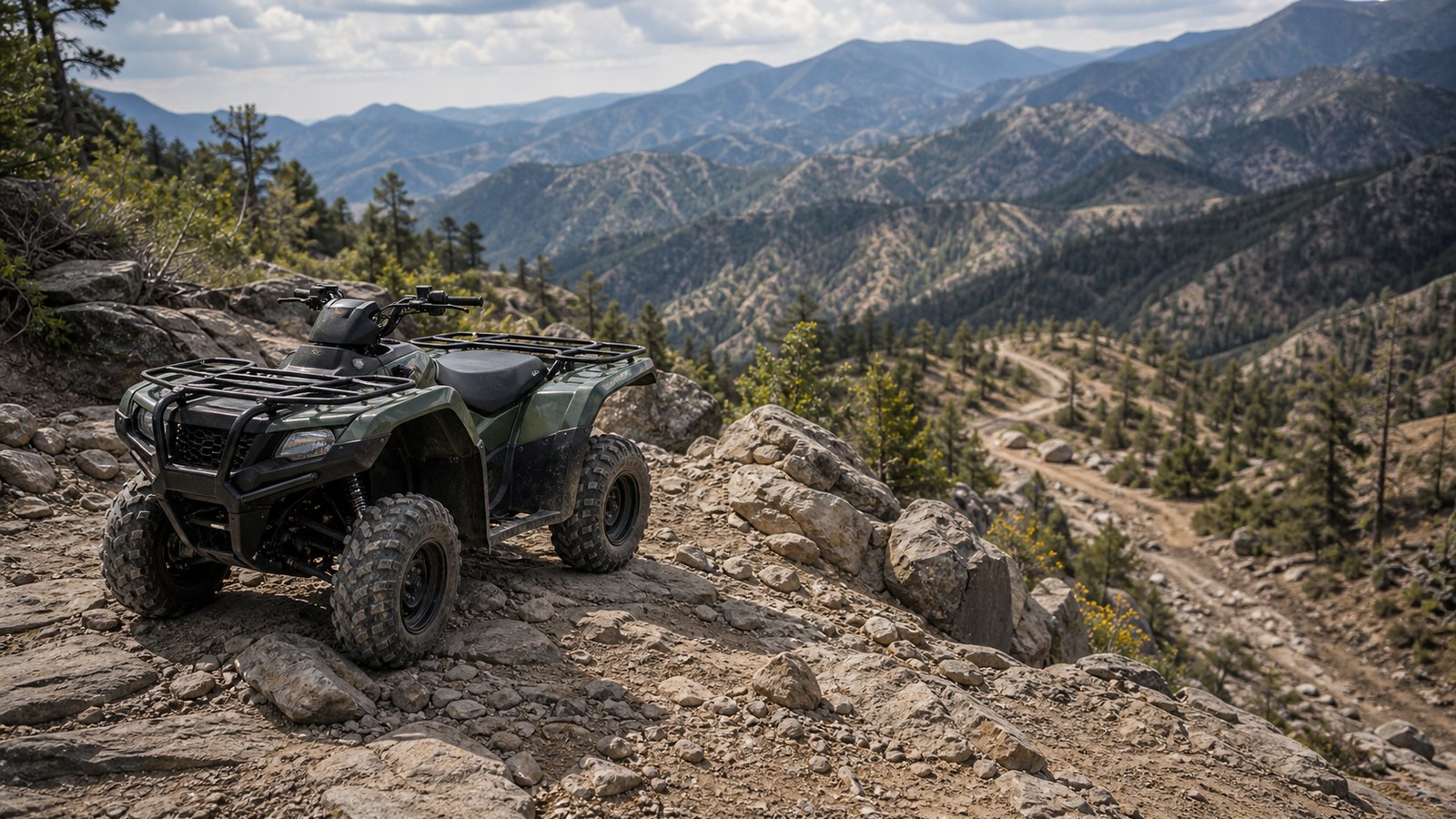
Choose a route that matches the least experienced rider and the machine setup. Check weather, closures, public-land rules, fuel range, daylight, and bailout points. Let someone know where the group is going and when to expect return, especially in remote areas.
A good plan includes permission to turn around. Conditions change. A washed-out trail, rising water, heavy dust, or tired rider can make the original route a bad idea. Smart trail riding is flexible.
Speed And Line Choice
Control speed before obstacles rather than during them. Look ahead, choose the line early, and use smooth throttle. Ruts, rocks, roots, mud, sand, and snow all ask for different inputs. A rider who enters slowly has more choices.
Line choice should match skill and machine. A sport ATV, loaded utility ATV, beginner rider, and mud setup will not all choose the same path. The best line is the one that protects control, not the one that looks most dramatic.
Group Riding Habits
Groups should ride at the pace of the least experienced rider. Stop at intersections, keep dust spacing, communicate hazards, and avoid pressuring anyone into obstacles. Radios or hand signals can help, but the group also needs patience.
A good lead rider checks that everyone is still present. A good sweep rider watches for problems at the back. Group systems prevent small delays from becoming lost riders or risky catch-up riding.
Terrain Decisions
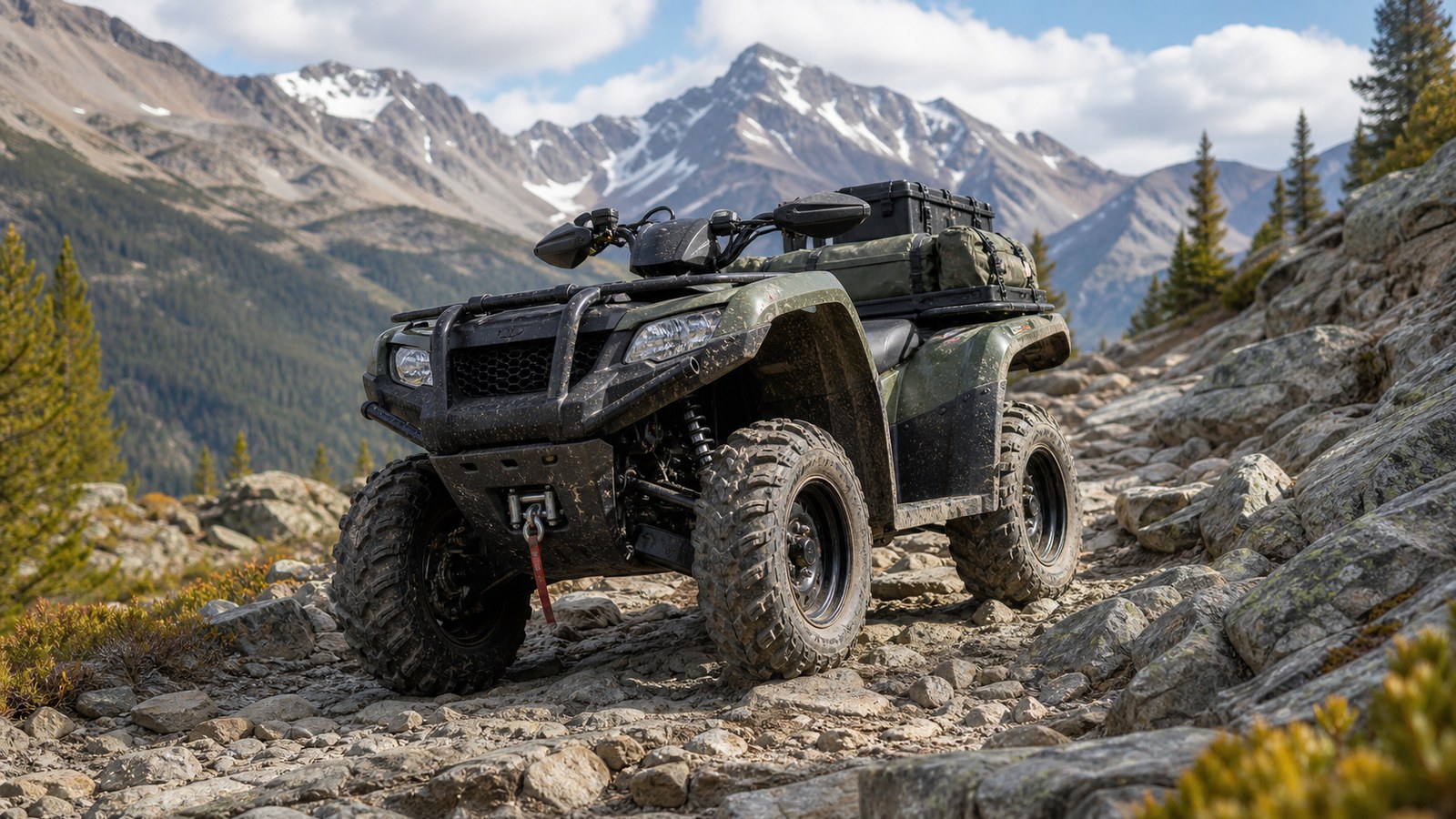
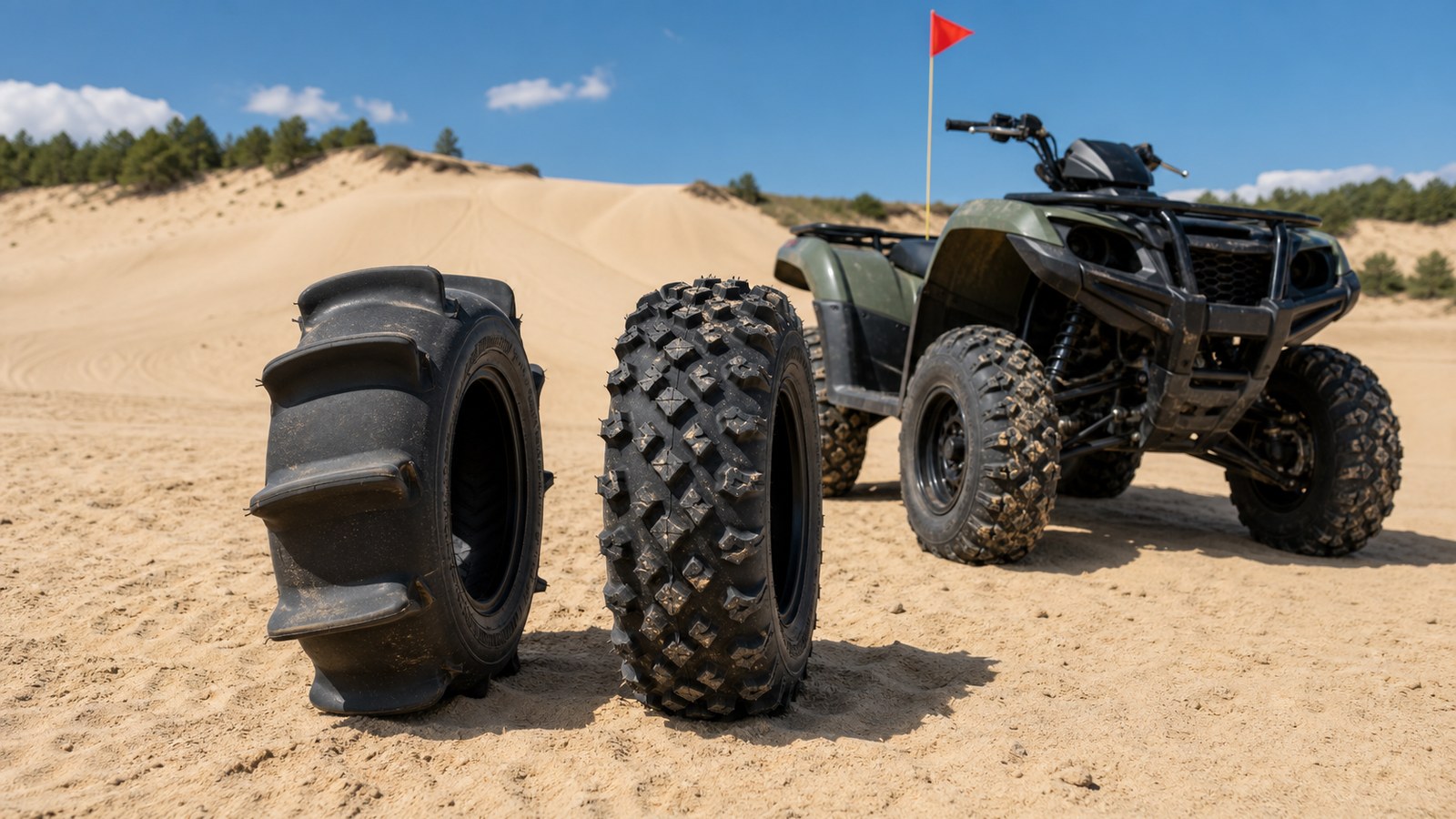
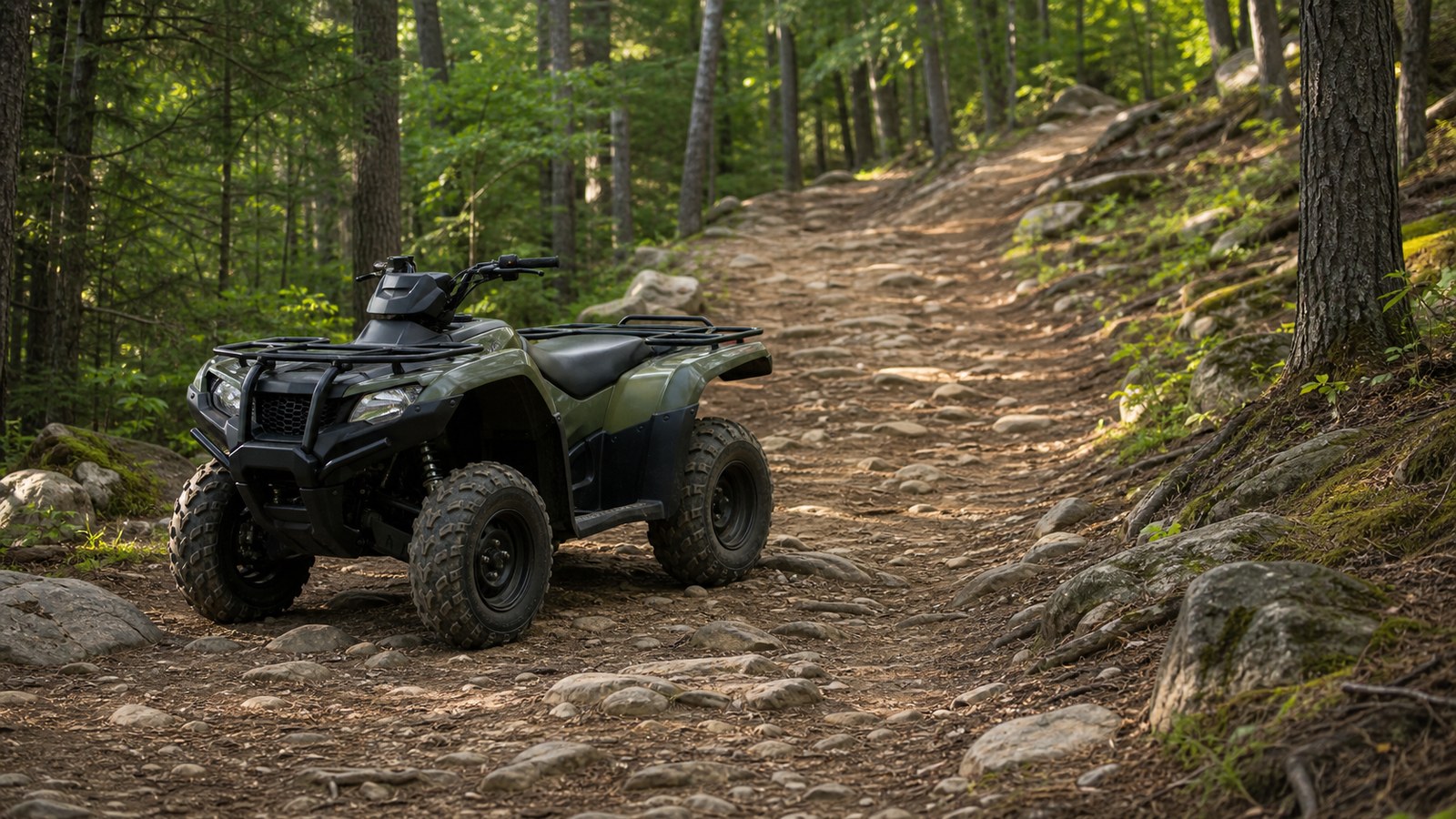
Mud can hide holes and strain drivetrains. Rocks can cut tires and bend parts. Sand can build heat and demand momentum. Snow can hide obstacles and reduce braking. Hills shift weight and punish poor line choice. Each terrain type needs a different plan.
Riders should avoid stacking risks. A tired rider, fading daylight, wet brakes, low fuel, and unknown terrain should not all be accepted at once. Turning around is part of trail skill.
Recovery And Breakdowns
Recovery gear is useful only when used safely. Know proper pull points, keep people clear of tensioned lines, use gloves, and avoid sudden jerks when possible. A winch or strap should not encourage riders to bury the ATV carelessly.
Breakdowns need calm decisions. Move out of traffic, communicate with the group, diagnose safely, and avoid repairs in dangerous positions. Sometimes the best fix is a tow to a safer area.
Post-Ride Routine
After riding, clean mud from brakes, suspension, radiator areas, and driveline parts. Inspect tires, wheels, skid plates, CV boots, chains, racks, and lights. Refill fuel, recharge batteries, and write down repairs needed before the next ride.
Post-ride inspection is where future reliability is built. Riders who put the ATV away dirty and damaged are borrowing trouble from the next trip. A few minutes after the ride protects the next one.
Bottom Line
Smarter trail riding is a system of preparation, control, communication, terrain judgment, recovery, and maintenance. It makes good decisions repeatable instead of relying on luck.
The best riders are not the ones who force every obstacle. They are the ones who keep the machine ready, read the trail early, and come home with the ATV and group intact.
FAQ
What should I check before trail riding?
Check tires, brakes, throttle, steering, fuel, fluids, weather, route, communication, and safety gear.
How should groups ride safer?
Ride at the pace of the least experienced rider, stop at intersections, keep spacing, and avoid pressure.
What matters after the ride?
Clean and inspect the ATV, note repairs, refuel or recharge, and prepare it before the next trip.
Riding Alone Versus Riding In Groups
Riding alone requires a more conservative system because help is not immediate. The rider needs a known route, communication plan, tools, water, first aid, weather awareness, and a willingness to turn around early. Remote solo riding should be treated seriously even on familiar land.
Group riding solves some problems and creates others. A group can help with recovery, navigation, and emergencies, but it can also create pressure to ride too fast or attempt obstacles. The group should choose a pace and route that protect the least experienced rider.
Weather And Trail Changes
Weather can change traction, visibility, temperature, and water depth. A dry trail in the morning can become slick after rain. Dust can reduce sight distance. Heat can fatigue riders and machines. Cold can affect batteries, tires, and rider concentration. A trail riding system includes checking weather and adjusting the plan.
After storms, riders should expect washouts, downed branches, deeper ruts, and hidden holes. The right response is slower speed and more scanning, not assuming the trail is unchanged. Conditions are part of the ride.
Respecting Other Trail Users
ATV riders often share land with other ATVs, side-by-sides, dirt bikes, hikers, horses, cyclists, landowners, and maintenance crews. Smarter riding means slowing near others, controlling dust, staying on legal routes, and giving space. Trail access depends partly on reputation.
Noise and speed near staging areas, homes, campsites, or livestock can create conflict. A respectful rider protects future access while also reducing collision risk. Good manners are part of the system.
Making The System Repeatable
The best trail routine is simple enough to repeat every ride. Inspect the ATV, confirm the route, pack the same core gear, ride at a controlled pace, communicate in the group, and inspect afterward. A complicated system that nobody follows is less useful than a simple one used every time.
Repeatability also helps new riders. When the routine is predictable, beginners know what to expect and what good preparation looks like. Over time, careful habits become normal rather than extra work.
Bottom Line For Smarter Riding
Trail riding gets safer and more enjoyable when preparation and judgment become habits. A rider with a ready machine, clear route, proper gear, and steady pace has more options when terrain changes.
The point is not to remove adventure. It is to keep the adventure from depending on luck. A good trail system gives riders the freedom to enjoy the ride and still make it home cleanly.
Common Trail System Failures
Most trail problems are not complete surprises. A low tire was visible before the ride. The route was longer than the fuel range. The group pace was too fast for a beginner. The weather was changing. The machine had a new noise. A good system catches these clues early.
Riders should take small warnings seriously because trail risk stacks up. One issue may be manageable. Several issues together can turn an ordinary ride into a recovery problem. Slowing down or turning around is often the smartest trail decision.
Teaching The System To New Riders
New riders learn best when the system is shown, not just explained. Let them help check tires, pack tools, read the route, and inspect the ATV after the ride. These habits teach ownership as well as riding. They also reduce the chance that a beginner thinks trail riding is only about throttle.
A group that teaches good systems creates better future riding partners. The payoff is smoother rides, fewer preventable breakdowns, and less pressure when terrain changes.
Final Trail Reminder
Ride planning, control, communication, and post-ride maintenance work together. When each part is simple and repeatable, the whole ride becomes easier to manage. That is what separates smart trail riding from just following tracks until something goes wrong.
A Repeatable Ride Rhythm
A useful trail rhythm is easy to remember: inspect, plan, ride, communicate, recover if needed, and inspect again. Each part supports the next. Inspection finds mechanical issues. Planning prevents route problems. Communication protects the group. Recovery gear handles surprises. Post-ride work prepares the next trip.
Riders who repeat that rhythm spend less time guessing. They know what the machine felt like last ride, what gear is packed, who is in the group, and where the route is supposed to go. That ordinary preparation is what makes harder trail moments easier to manage.
Final System Standard
A trail system works when it is simple enough for tired riders to follow. The group should know the route, the pace, the stopping points, the recovery plan, and the signals before the ride becomes complicated. Clear routines reduce argument when conditions change.
The same idea applies to solo rides. A rider who prepares the same way each time is more likely to catch low fuel, soft tires, bad weather, or missing tools before leaving. Smart trail riding is built from small repeated checks.
When these checks feel ordinary, the rider has more attention for terrain and less need to improvise. That is the quiet advantage of a well-practiced trail system.